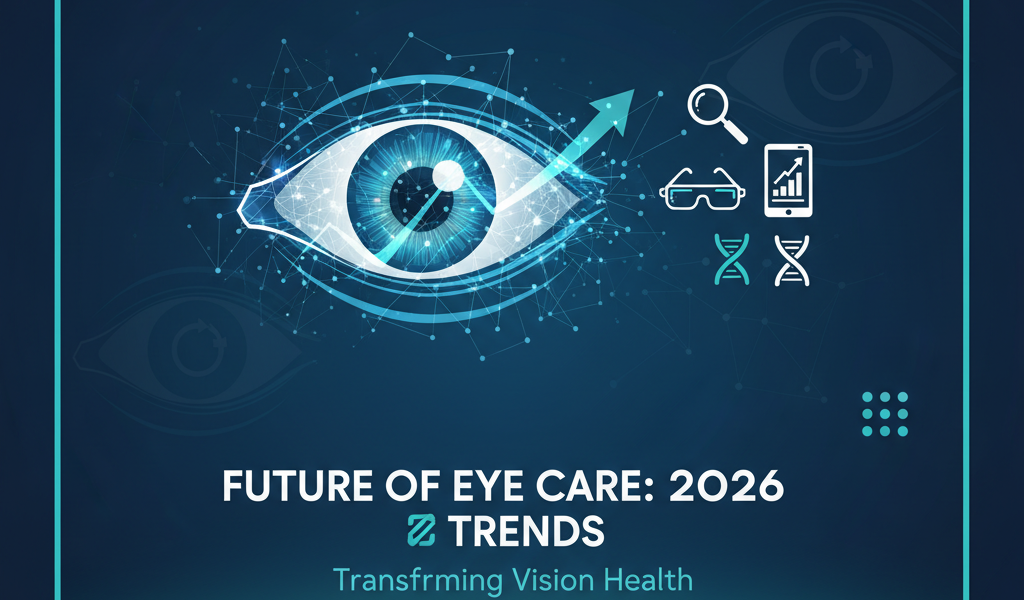
The world of eye care is evolving at an incredible pace, and 2026 is shaping up to be a transformative year for vision health. From cutting-edge artificial intelligence to revolutionary smart eyewear, the way we protect and enhance our eyesight is undergoing a remarkable shift. Let’s explore what’s making waves in eye care this year.
AI is Revolutionizing Eye Examinations
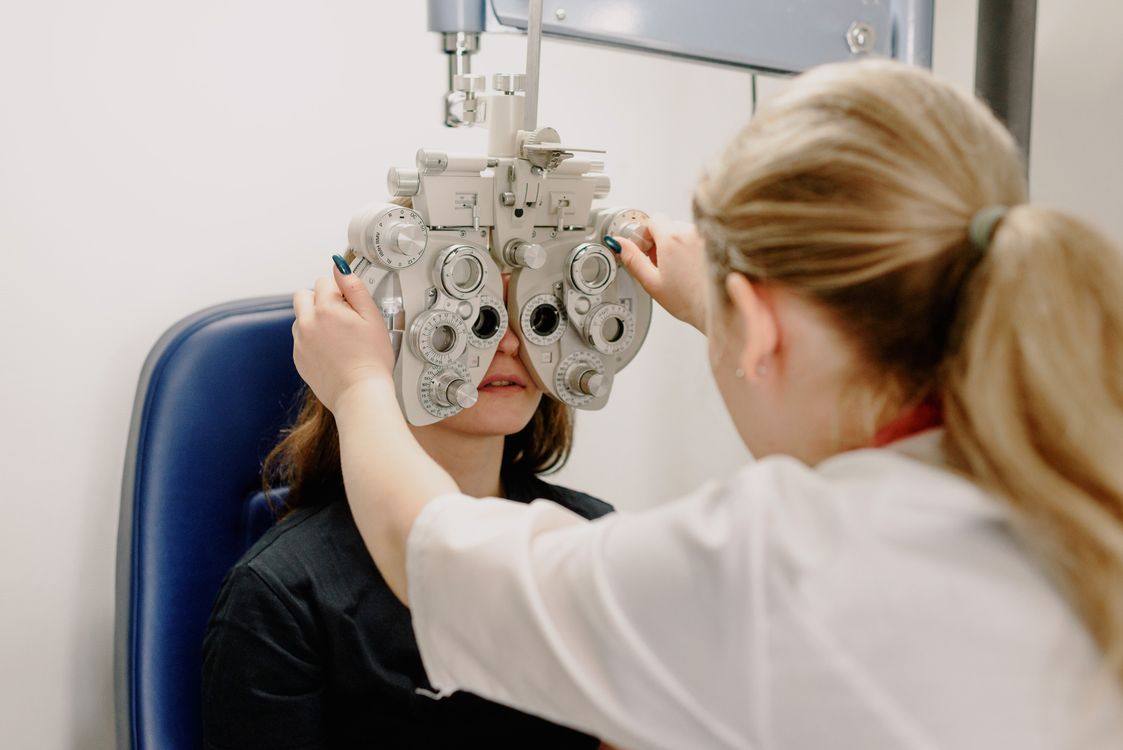
Gone are the days when eye exams were entirely manual processes. Artificial intelligence has become a game-changer in how eye care professionals diagnose and treat vision problems. Today’s AI-powered diagnostic tools can detect conditions like glaucoma, macular degeneration, and diabetic retinopathy with remarkable speed and accuracy.
What does this mean for you? Faster diagnoses, earlier detection of potential problems, and more personalized treatment plans. The technology isn’t replacing your eye doctor—it’s empowering them to provide even better care.
Myopia Management: More Critical Than Ever
If you have children, this trend deserves your attention. Myopia, commonly known as nearsightedness, is being recognized not just as a refractive error that needs correction, but as a genuine disease that requires active management.
The stakes are higher than many realize. Uncontrolled myopia, especially in children, can lead to serious complications later in life, including increased risks of retinal detachment, glaucoma, and even blindness. The good news? Modern myopia management techniques can significantly slow its progression when started early.
Eye care specialists are now emphasizing early intervention and ongoing monitoring, particularly for children spending significant time on digital devices or with a family history of myopia.
Smart Eyewear: The Future on Your Face
Remember when glasses were just for seeing clearly? Those days are rapidly fading. Smart eyewear in 2026 is breaking new ground, offering features that extend far beyond vision correction.
Today’s smart glasses can filter harmful blue light, track your health metrics, and even integrate with your digital devices. Some therapeutic contact lenses are being developed to do more than just correct vision—they’re becoming health monitoring devices right on your eyes.
Consumers are increasingly expecting their eyewear to be multifunctional, and manufacturers are rising to meet that demand with innovations that seemed like science fiction just a few years ago.
Personalized Medicine Meets Eye Care
The era of one-size-fits-all eye care is ending. Precision medicine is making its way into ophthalmology, bringing personalized treatments based on your unique genetic makeup and biomarkers.
Genetic testing is becoming more accessible, helping eye care providers assess your individual risk factors for various eye diseases. This means prevention strategies can be tailored specifically to you, catching potential problems before they become serious.
Gene therapy, once a distant dream, is now moving through clinical trials with promising results for degenerative eye conditions. While it’s still early days, the potential to address the root causes of certain eye diseases is incredibly exciting.
Telehealth: Your Eye Doctor, Virtually Everywhere
The pandemic accelerated telehealth adoption, and eye care has embraced this trend wholeheartedly. Virtual consultations, remote screenings, and home monitoring are no longer novelties—they’re becoming standard parts of comprehensive eye care.
Can’t make it to the clinic for a follow-up? Many practices now offer online appointments. Need to monitor your eye pressure at home? Devices for home tonometry are becoming more accessible. This convenience doesn’t compromise care quality; it enhances accessibility and makes ongoing monitoring more practical.
What Should You Do with This Information?
These trends aren’t just fascinating developments—they have practical implications for your vision health:
- Schedule regular eye exams: With advanced diagnostic tools available, regular checkups can catch problems earlier than ever before.
- Ask about myopia management: If you have children, discuss prevention and management strategies with your eye care provider.
- Explore smart eyewear options: When choosing new glasses, inquire about features like blue light filtering or other smart functionalities that match your lifestyle.
- Consider genetic testing: If you have a family history of eye disease, ask whether genetic screening might be beneficial for you.
- Take advantage of telehealth: Check if your eye care provider offers virtual options for consultations or follow-ups.
The Bottom Line
The future of eye care isn’t waiting—it’s happening right now. From AI-powered diagnostics to gene therapy breakthroughs, from smart glasses to personalized medicine, we’re witnessing a revolution in how we understand, protect, and enhance our vision.
The most important takeaway? Don’t be a passive observer in your eye health journey. Stay informed, ask questions, and work with your eye care provider to take advantage of these innovations. Your eyes are irreplaceable, and with these advancing technologies, keeping them healthy for a lifetime is more achievable than ever before.
Have you experienced any of these new eye care technologies? We’d love to hear about your experiences in the comments below!